Upper Eyelid Surgery

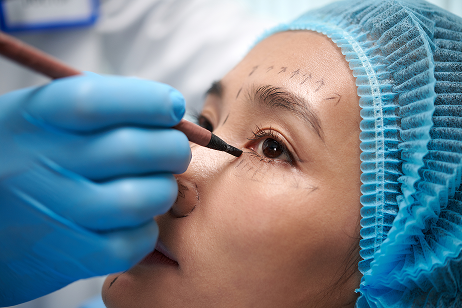
Upper Blepharoplasty is an eyelid surgery designed to improve excess upper eyelid skin, droopy-looking eyelids, uneven eyelid folds, or tired-looking eyes. The procedure can help create a clearer, more refreshed eye appearance while maintaining natural facial balance.

It may be suitable for patients who have heavy upper eyelids, hooded eyelids, excess skin covering the eyelid crease, asymmetrical eyelid folds, or upper eyelid concerns that affect appearance or vision comfort.

At Medmyday, we help international patients explore suitable hospitals, clinics, and eyelid surgeons in Thailand based on their eyelid condition, facial anatomy, desired crease style, medical history, and recovery timeline.

Get Your Personalized Assessment
Free initial guidance · Doctor assessment required · International patient support


Quick Highlights

Refreshed Eye Appearance
Helps reduce heavy or tired-looking upper eyelids for a more open and refreshed look.
Natural Eyelid Crease Planning
The eyelid crease is planned based on eye shape, skin thickness, facial balance, and patient preference.
Removes Excess Upperlids Skin
Can improve hooded eyelids or excess skin that covers the eyelid fold.
Usually Short Recovery
Most patients can return to light daily activities within several days, while swelling improves gradually.

What is Lower Blepharoplasty?

Lower Blepharoplasty is a cosmetic eyelid surgery that focuses on improving the appearance of the lower eyelids and under-eye area.

Under-eye bags and puffiness may be caused by fat bulging, skin laxity, aging, genetics, or facial anatomy. These concerns can make the face look tired, older, or less refreshed, even when the patient feels well-rested.

Lower Blepharoplasty may involve removing, repositioning, or adjusting under-eye fat, and in some cases, removing a small amount of loose skin. The goal is to create a smoother and fresher under-eye appearance without making the result look overdone or unnatural.

The final result depends on several factors, including lower eyelid anatomy, skin quality, fat distribution, facial structure, surgical technique, healing, and post-operative care.

Suitability must be assessed by an experienced surgeon before confirming the surgical plan.


Best For

Best For Upper Blepharoplasty may be suitable for patients who:
Have excess skin on the upper eyelids
Have droopy-looking or heavy upper eyelids
Have eyelid hooding that makes the eyes look tired
Have difficulty applying makeup due to excess eyelid skin
Want a fresher and more open-looking eye appearance
Want a natural-looking result that still matches their face
Are considered suitable after assessment by an experienced surgeon

Important Considerations

Upper Blepharoplasty can help improve the appearance of the upper eyelids, but there are important factors to consider before choosing this procedure.

Prices

No data was found

Note: Prices are estimated and subject to change based on specific requirements. Flights and accommodation are not included.

Recovery Timeline

Days 1-7
Swelling, bruising, tightness, and mild discomfort around the eyelids are usually most noticeable during the early recovery period. Patients are usually advised to rest, avoid rubbing the eyes, and follow wound care instructions carefully.
Days 8-14
Swelling and bruising may gradually improve. A follow-up appointment may be scheduled during this period, and suture removal may be considered depending on the surgical technique and healing progress.
Around 2 Weeks
Many patients begin to feel more comfortable returning to light daily activities. The eyes may still look slightly swollen, but the overall appearance usually continues to improve.
Weeks 2-6
Swelling continues to settle gradually. The eyelid crease and upper eyelid shape may become more refined as healing progresses.
Months 3-6
The final eyelid shape and scar appearance may continue to improve as tissues settle and scars mature.

Please note: Recovery time may vary depending on the procedures performed, surgical complexity, individual healing, and medical assessment.

Not sure which procedures are right for you?

Every patient’s anatomy and goals are different.

Medmyday can help you explore suitable hospitals and surgeons in Thailand, understand estimated costs, and plan your eyelid surgery journey with clearer guidance.

Start Your Free Assessment

No obligation · Personalized guidance · International patient support

Medical Disclaimer

This information is provided for general educational purposes only and should not be considered medical advice. Individual suitability, surgical planning, recovery, and results may vary depending on each patient’s anatomy, health condition, medical assessment, healing, and surgeon recommendation.

A consultation with a qualified medical professional is required before making any treatment decision.

“Because your health deserves global-quality care.”

Hospital List

Bangkok, Thailand

FAQs

Will Upper Blepharoplasty make my eyes look bigger?
Upper Blepharoplasty can help the eyes look more open and refreshed by reducing excess upper eyelid skin or heaviness. However, the goal is usually to enhance the natural eye appearance rather than create an overly changed or unnatural look.
Will the result look natural?
A well-planned Upper Blepharoplasty should aim for a natural-looking result that matches the patient’s eye shape and overall facial balance. The surgical plan should be based on eyelid anatomy, skin quality, facial structure, and the patient’s desired result.
Will there be visible scars?
The incision is usually placed along the natural upper eyelid crease, which can help make the scar less noticeable over time. Scar appearance may vary depending on skin quality, healing, surgical technique, and post-operative care.
How long does swelling last?
Swelling and bruising are usually most noticeable during the first week and gradually improve over the following weeks. Mild swelling may continue for several weeks, and the final result may take a few months to fully settle.
Can Upper Blepharoplasty fix droopy eyelids?
Upper Blepharoplasty can improve excess skin or heaviness on the upper eyelids. However, if the patient has true eyelid muscle weakness or ptosis, a different or additional procedure may be needed. The surgeon will assess the cause of the droopy appearance before recommending the treatment plan.
Is Upper Blepharoplasty the same as Double Eyelid Surgery?
Not exactly. Upper Blepharoplasty usually focuses on removing excess upper eyelid skin, fat, or heaviness. Double Eyelid Surgery focuses on creating or defining an eyelid crease. In some cases, both goals may overlap, but the surgical plan depends on the patient’s anatomy and desired result.
Can Upper Blepharoplasty be combined with other procedures?
Yes. In some cases, Upper Blepharoplasty may be combined with lower blepharoplasty, brow lift, facelift, or other facial procedures. However, combining procedures depends on medical safety, surgical planning, recovery time, and surgeon recommendation.
When can I wear makeup after surgery?
The timing may vary depending on healing and the surgeon’s instructions. Patients are usually advised to avoid eye makeup until the incision has healed properly and the medical team confirms it is safe.

Other Booking Service

Contact Us

Request a Quotation

Personal Information
Date of birth